“Coming Soon” by Lance Corlett
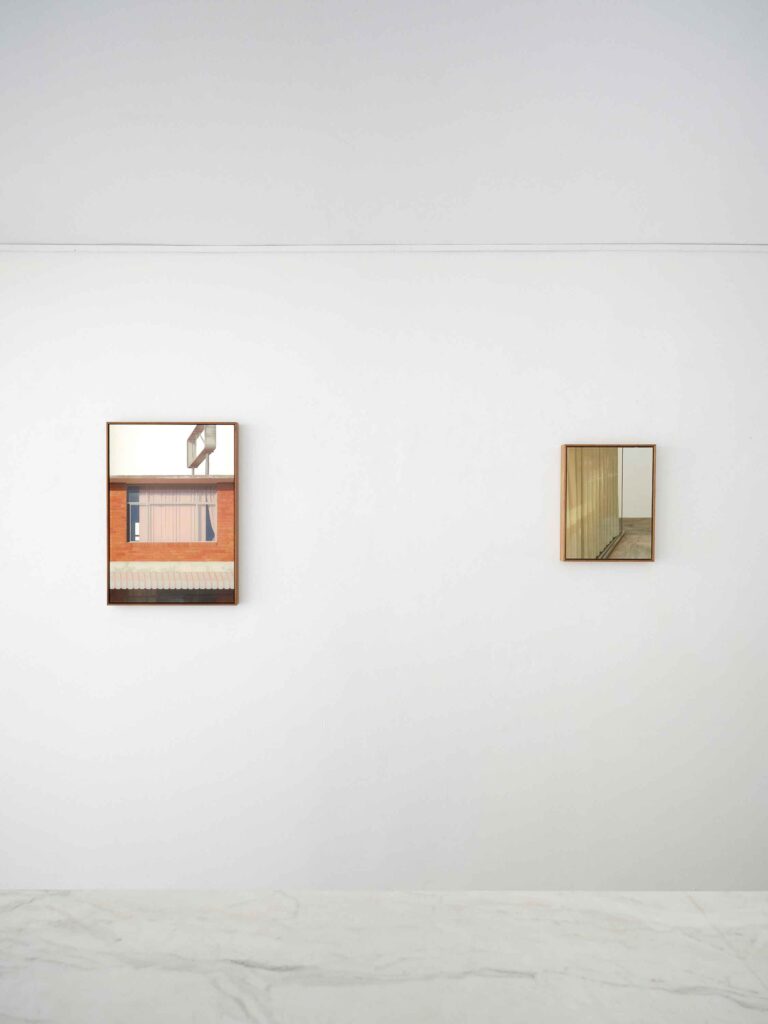
A solo exhibition by Lance Corlett at Saint Cloche Gallery
EXAMPLE CAPTION
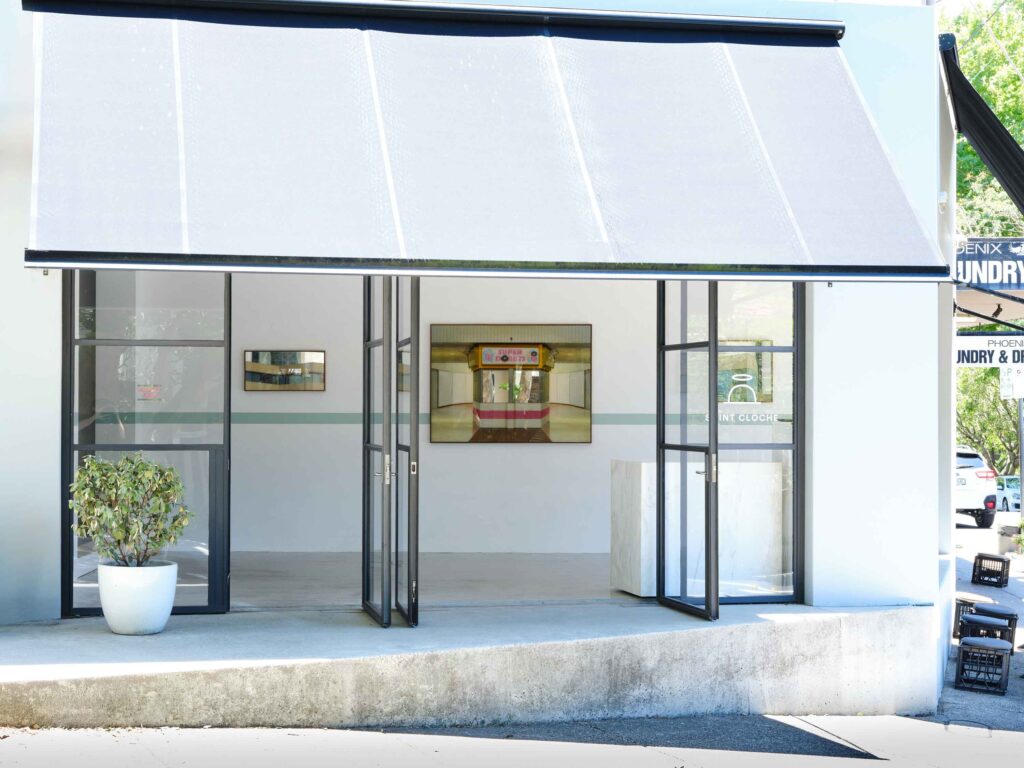
Last year marked my second solo exhibition, Coming Soon. The exhibition has now wrapped up, and in the time since closing it’s been clear just how significant Coming Soon has been for my practice. The response was overwhelming in the best possible way, strong attendance, engaged conversations, and a genuine resonance with the work. It felt like a moment where a lot of long held ideas finally landed with clarity.
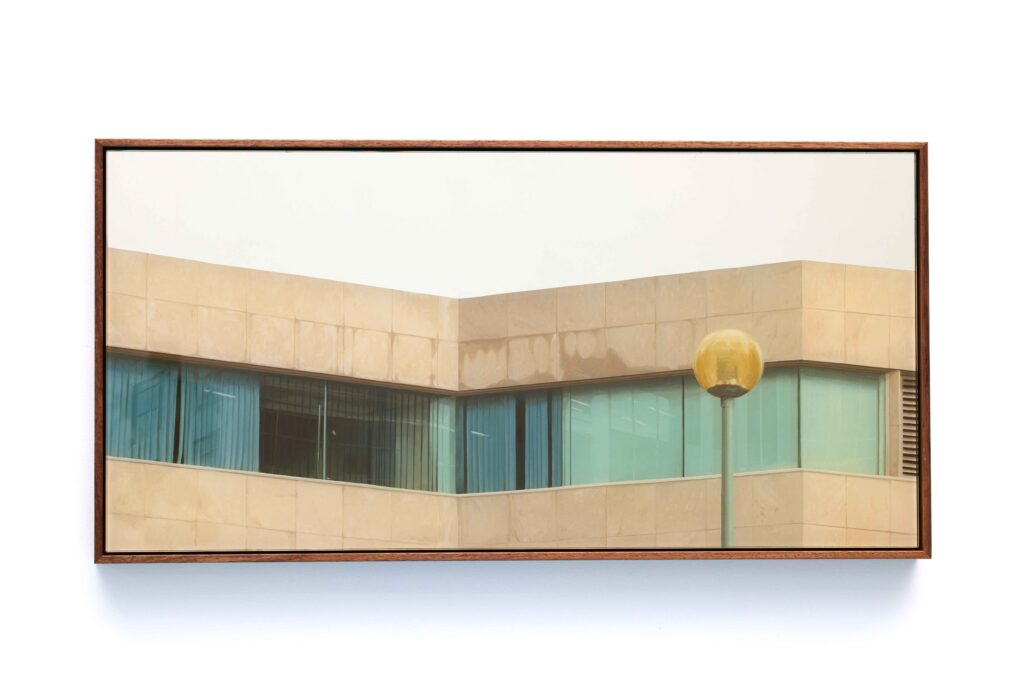
City Views
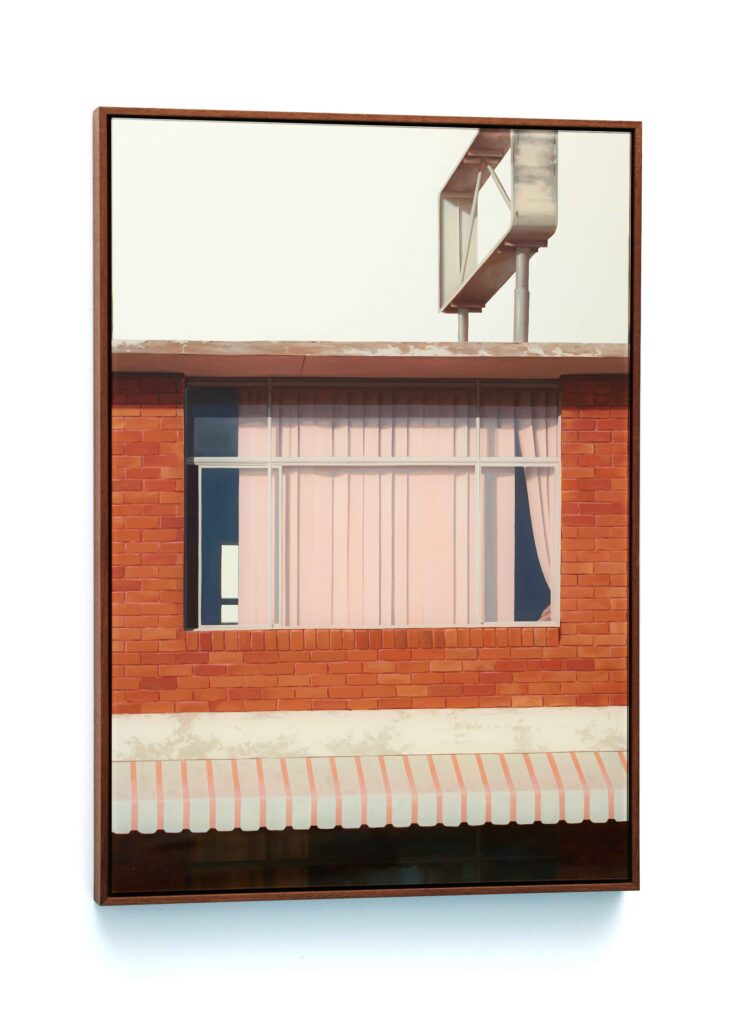
No Vacancies
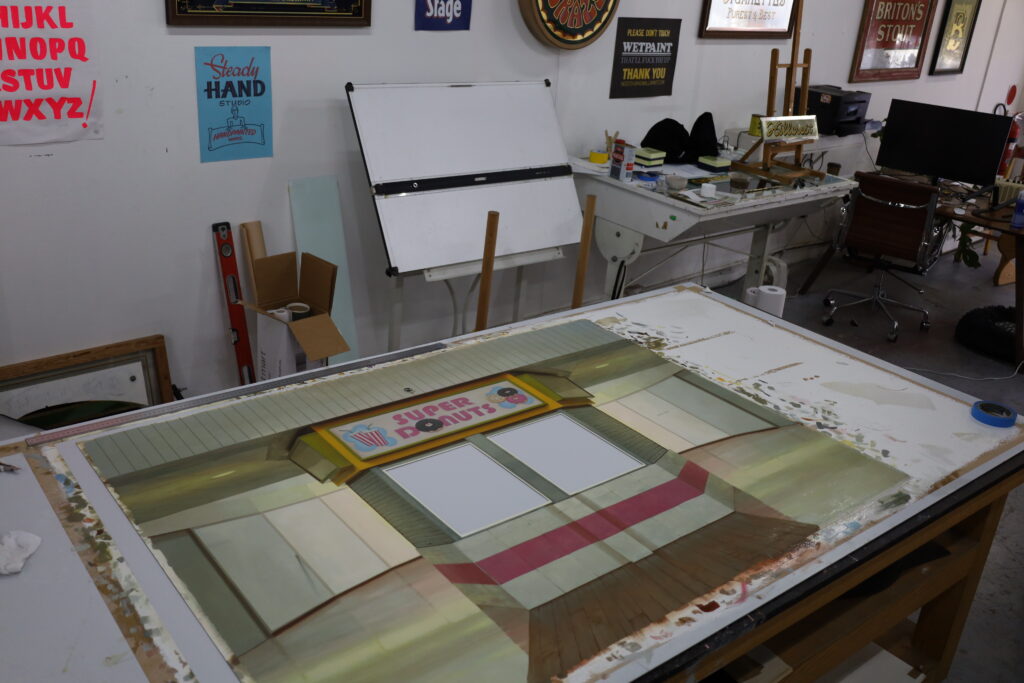
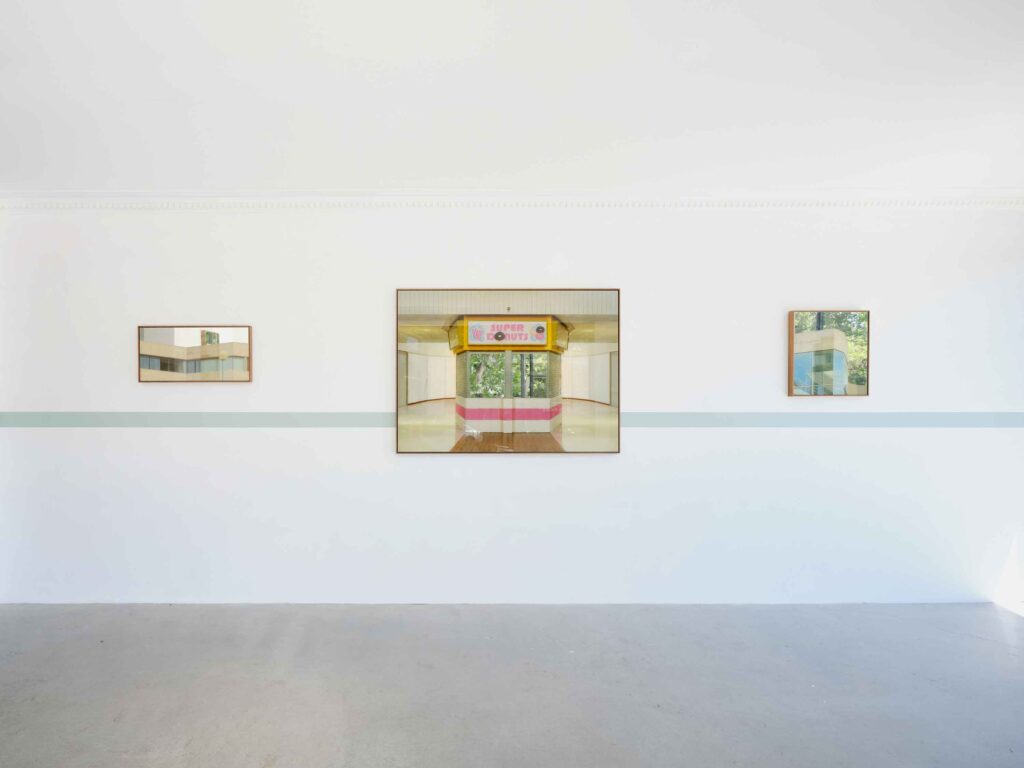
Coming Soon focused on the porous thresholds between past, present, and future. The moments where once significant achievements begin to lose their weight as new ambitions take their place. Much of the work sat in this state of suspension, between promise and disappointment, attraction and abandonment. The imagery drew on familiar commercial forms and relics, architecture that quietly shapes our environments and influence how we move through the world.
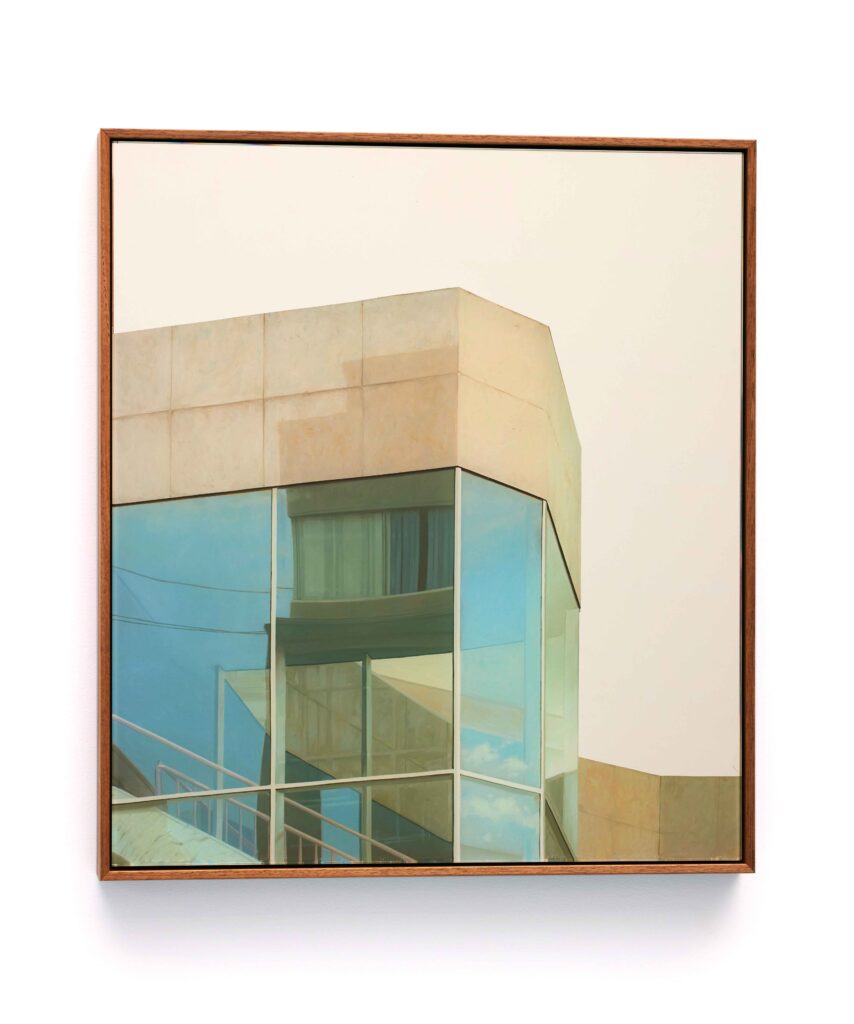
Bills Included
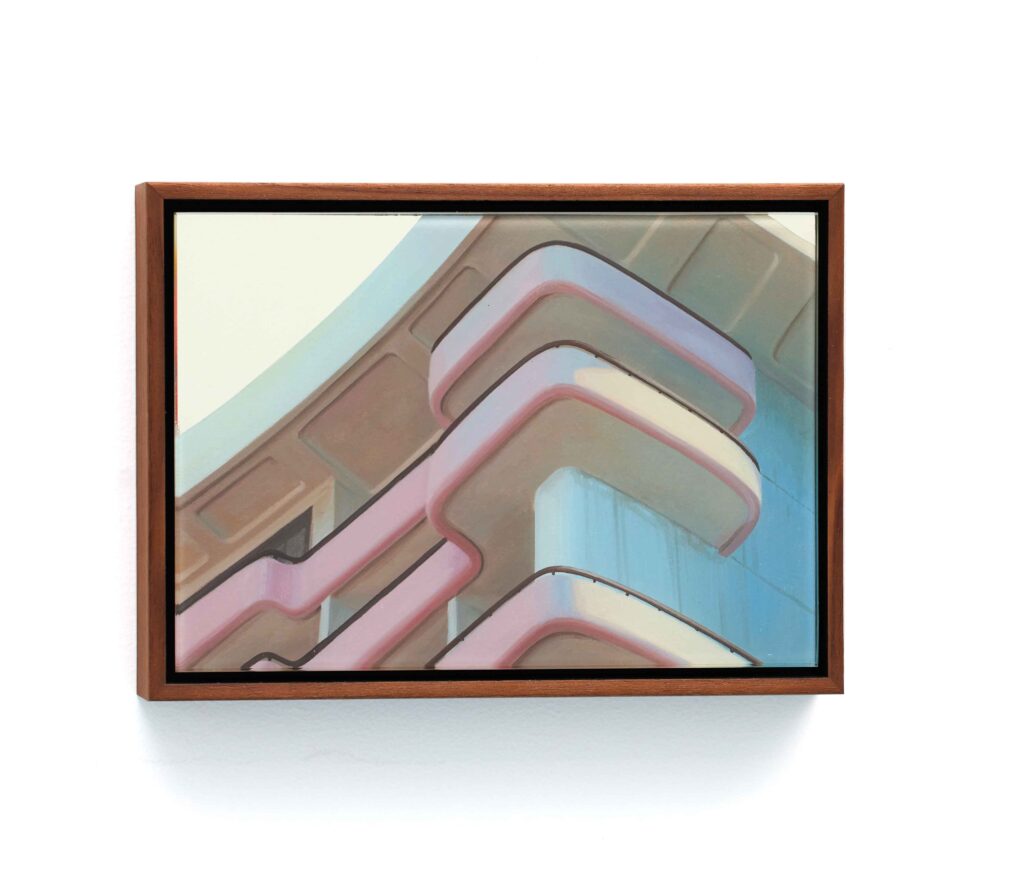
Ocean Views
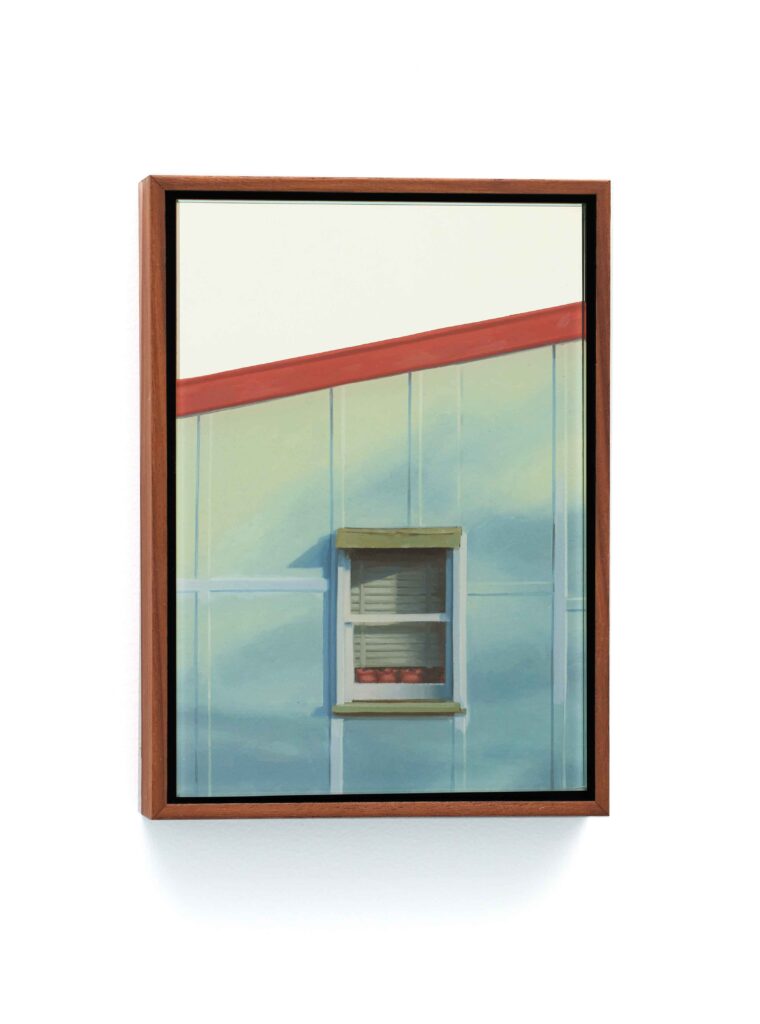
Unpaid Leave
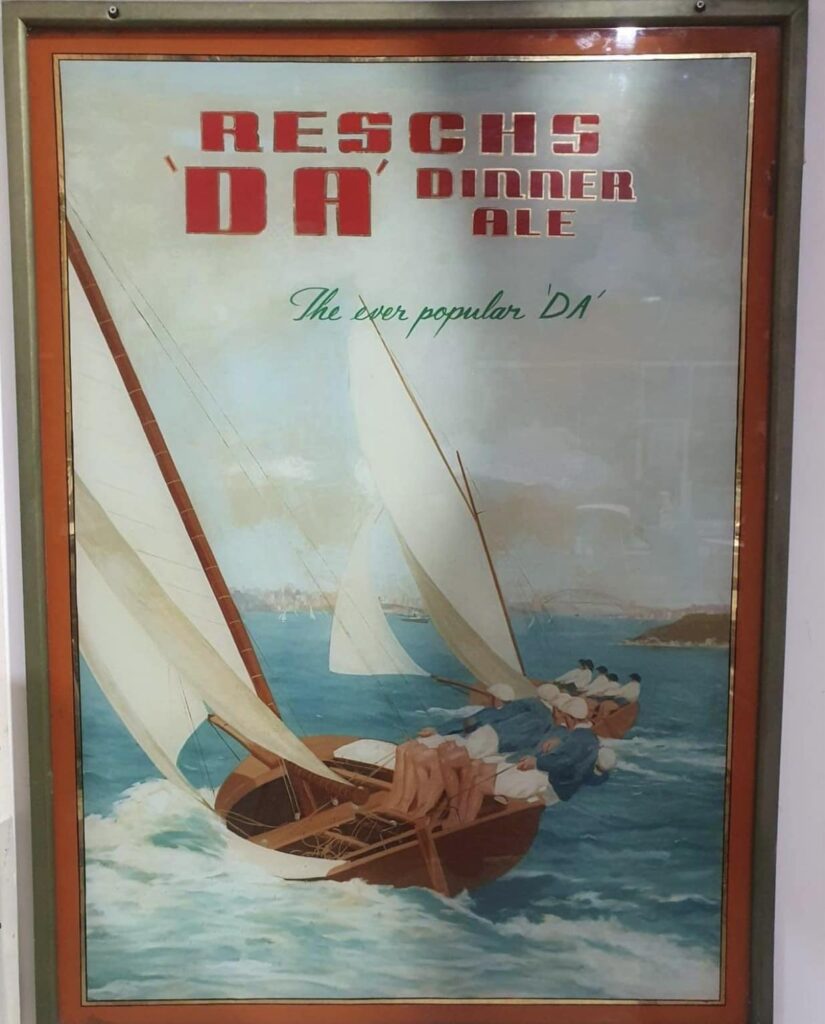
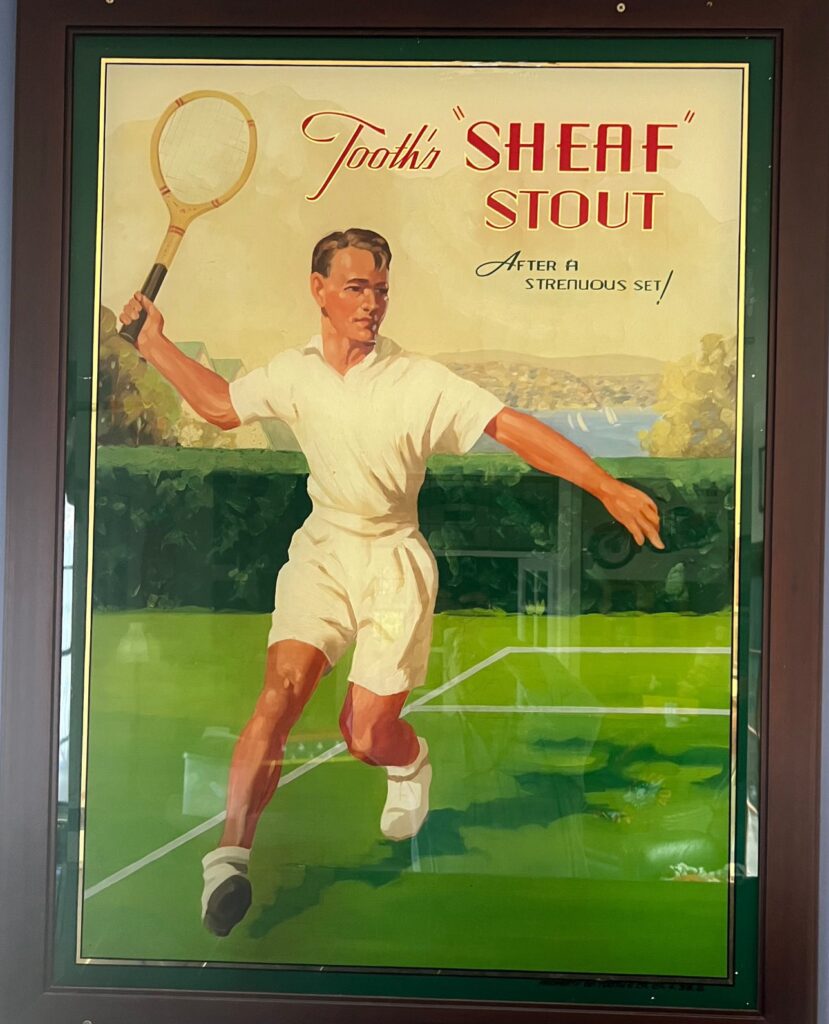
A major historical reference point for the work is a pivotal period in Australian sign making, where specialist sign companies were producing beautiful pub mirrors for the booming brewery trade. These works brought together gilders, letterers, and oil painters to create incredible illustrated mirrors that would be rehung in bars across the country, usually relating to the sporting influence of that particular region. These are now becoming extremely rare and are in my opinion some of the best examples of sing making in history. Below are some exceptional examples.
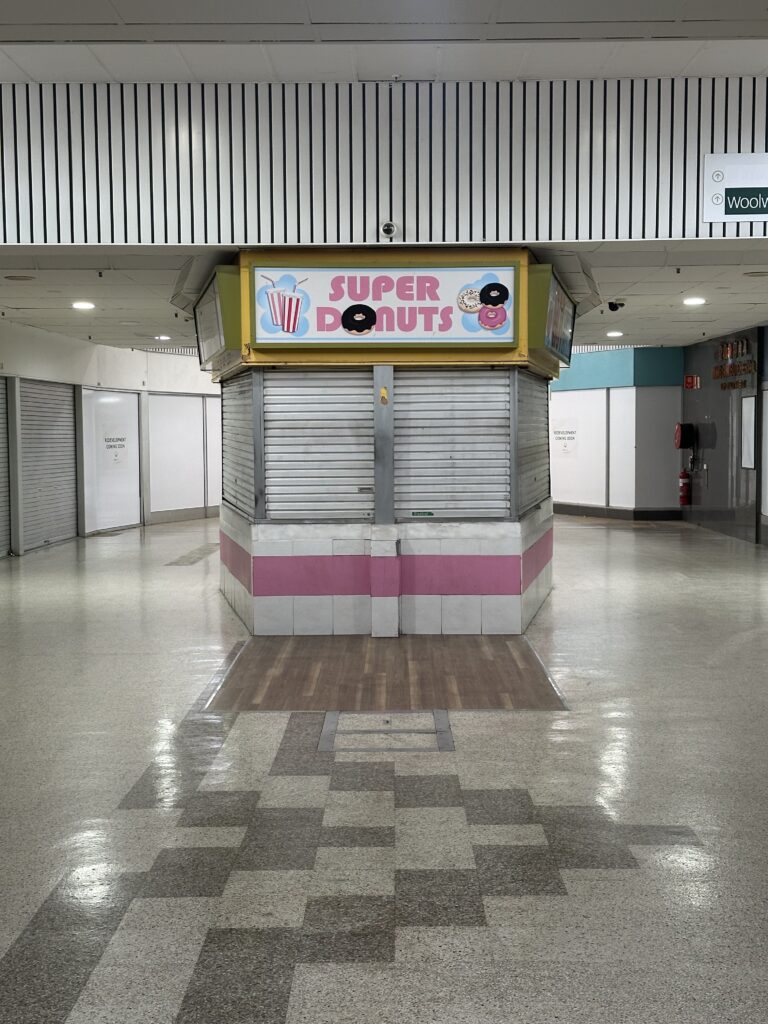
An early spark for the exhibition came from a very ordinary place, the Eastlakes shopping centre. Built in the 1980s and long anchored by a now shuttered donut shop, the centre became a recurring reference point for me. Its faded signage, tired optimism, and lingering sense of promise captured many of the ideas that would later surface in Coming Soon. That closed shopfront once bright, inviting, and aspirational quietly embodied the tension between expectation and reality, and became a touchstone for the work that followed.